Across more than 2,200 architecture and engineering firms, the difference between a bottom-quartile and a top-quartile realization rate on a $500,000 project comes to roughly $120,000 to $160,000 in collected revenue. Without billing a single additional hour.
It traces to what got documented.
Realization rate is the percentage of your billable hours that convert to collected revenue. Bottom-quartile firms land at 83 to 84 percent. Top-quartile firms land at 107 to 115 percent. The gap between them does not trace to firm size, design quality, or the type of work.
A note before going further: this data comes from architecture and engineering firms, not interior design studios. The dynamics are not identical. But the financial mechanism is the same across both sectors. If the billable work is not captured in a written record at the moment it happens, it does not get billed. That part does not change by discipline.
Here is what $120,000 looks like on a Tuesday afternoon. A client decides to extend the kitchen island and change the countertop spec. It happens in the room. Everyone agrees. The designer makes a mental note.
Two weeks later the fabricator is cutting the countertop. The client remembers the conversation differently. The designer remembers it differently. Neither one is wrong exactly, but one of them has a record and one of them does not.
60 percent of architecture and engineering firms either do not track their realization rate or do not know it. (Monograph 2026.) The firms that do track it know exactly which project phase produced the billing gap.
The top-quartile firms in the Monograph data do four things differently. They capture additional services fees immediately when scope expands. They issue change orders promptly rather than batching them at the end. They audit low-realization projects regularly to find where the hours went. They set realization targets by project type and track against them.
Those are not design behaviors. They are documentation behaviors.
The firms that protect their revenue do it with process, not with negotiation. They do not go back to the client after the fact to ask for more. They document the moment scope changes, and the additional services fee follows automatically. The record exists before the dispute does.
That $120,000 to $160,000 gap between quartiles is not a billing failure. It is a documentation failure that happens upstream, in the room, on the site visit, in the moment the change request was made and not written down.
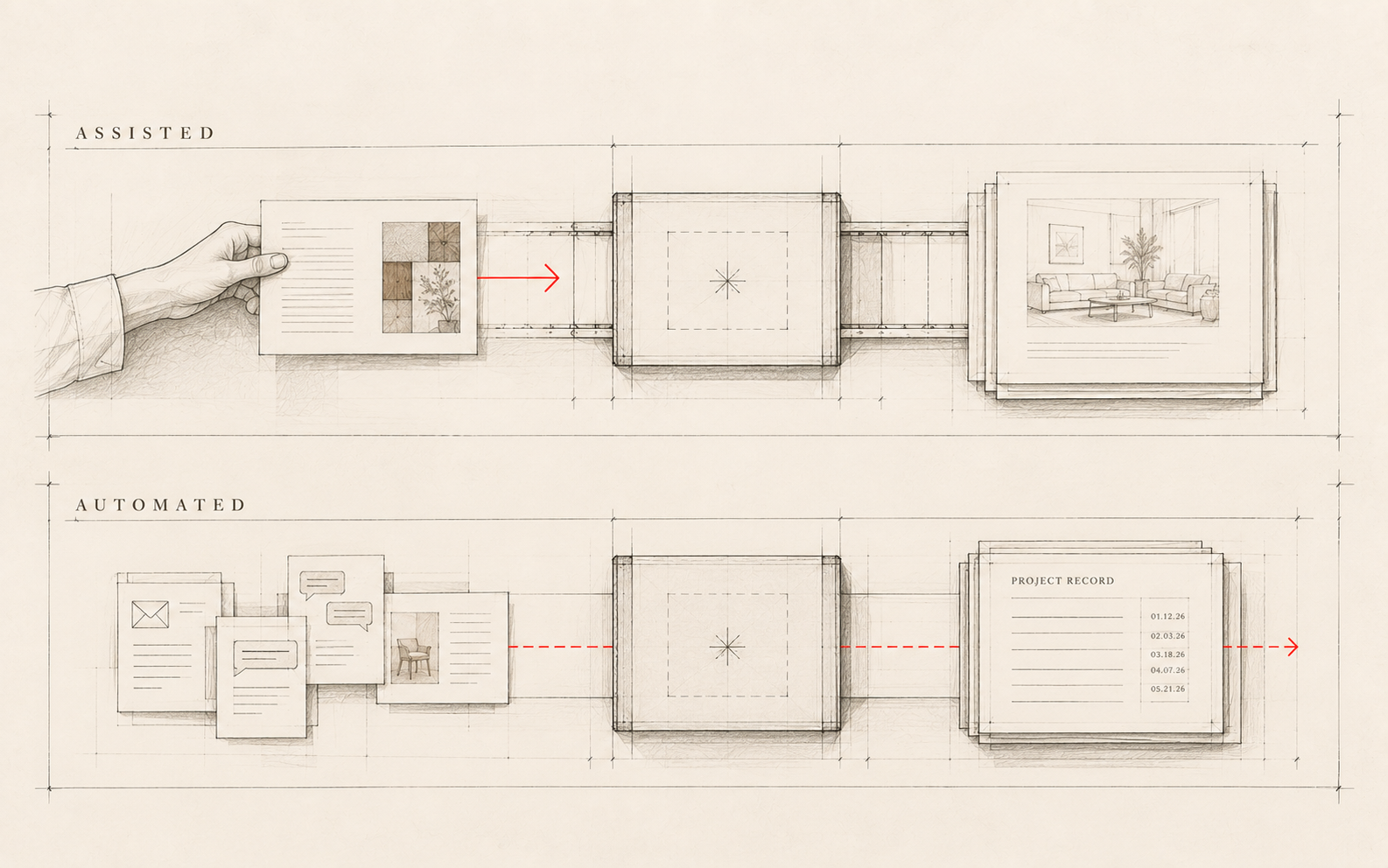
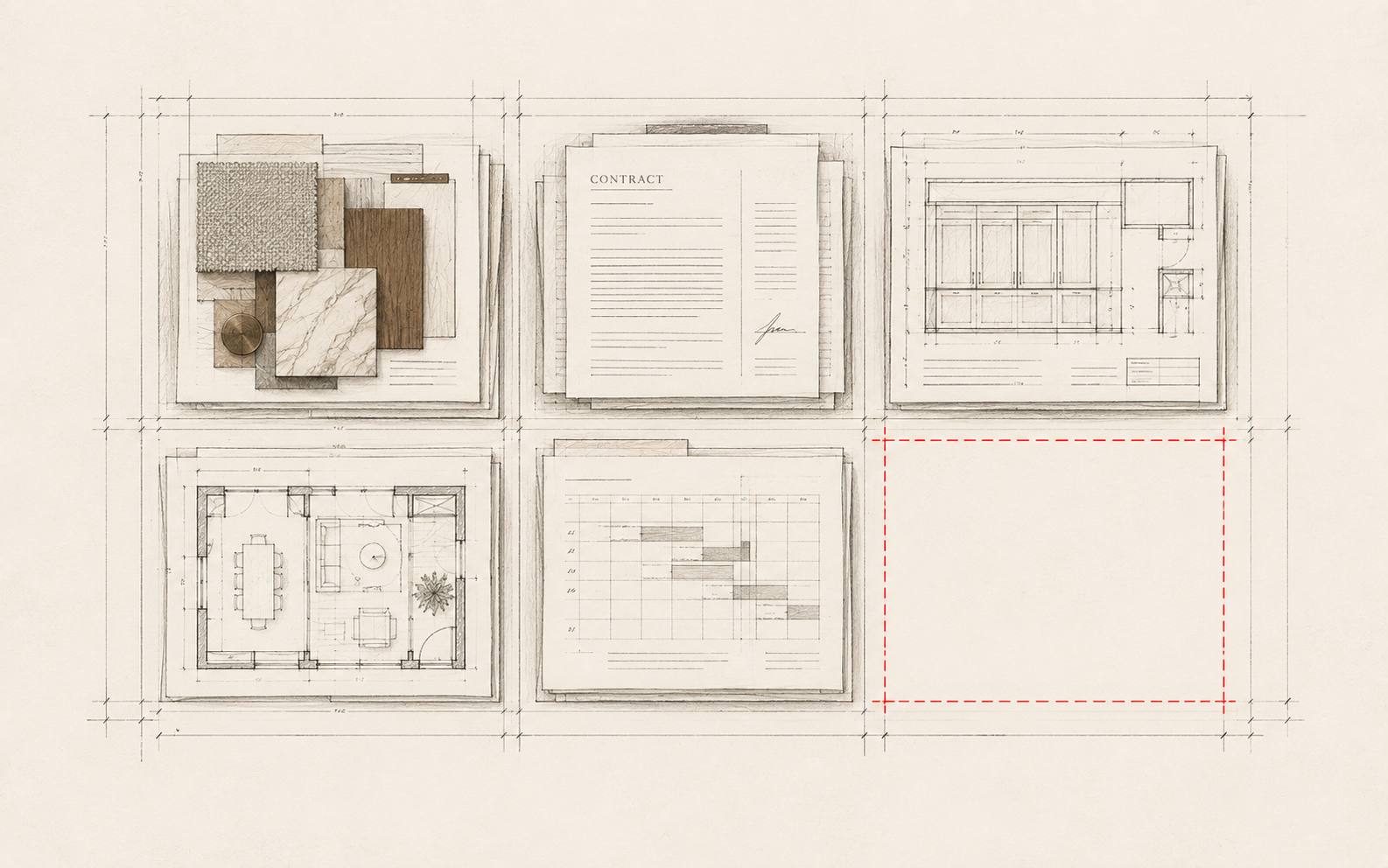
This is what Archen™ is built around. Building the record automatically, from the decisions that are already happening, so that when scope expands there is a documented request. When an approval is needed, there is a place to get it. When a project closes, the full scope history is already written.
The realization gap is recoverable. But it is only recoverable if the record exists in the first place.